
Dr. Neil Perera

CONTACT US

Secretary Chandani Dona
Also available for virtual consultations

Rheumatology Conditions

Explore comprehensive guides on various rheumatic, joint, and musculoskeletal conditions.

Rheumatoid arthritis

Rheumatoid arthritis (RA)

Rheumatoid arthritis (RA) is a chronic condition that causes pain, swelling, and stiffness in the joints usually affects the hands, feet, and wrists...

Read More
Psoriatic arthritis

Psoriatic arthritis (PsA)

Psoriatic arthritis is a form of arthritis that affects some people who have psoriasis – a condition that features red patches of skin...

Read More
Ankylosing spondylitis

Ankylosing spondylitis (AS)

Ankylosing spondylitis or AS, is a form of arthritis that primarily affects the back, by causing inflammation in the spine...

Read More
Osteoarthritis

Osteoarthritis (OA)

Osteoarthritis (OA) is the most common type of arthritis in the UK. It occurs when the protective cartilage that cushions between bones wears down...

Read More
Gout

Gout

Gout is a very painful form of arthritis characterized by sudden, severe attacks of pain, swelling, redness, and tenderness in one or more joints...
Read More
Osteoporosis

Osteoporosis

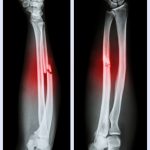
Osteoporosis is a bone disease that weakens bones, making them fragile and more likely to break. The word osteoporosis means spongy bone.

Read More
Polymyalgia rheumatica

Polymyalgia rheumatica (PMR)

Polymyalgia rheumatica (PMR) is a condition that causes pain, stiffness, and inflammation in the muscles around the shoulders, neck, and hips...

Read More
Fibromyalgia

Fibromyalgia

Fibromyalgia is a long-term condition characterized by widespread musculoskeletal pain accompanied by fatigue, sleep, memory, and mood issues...
Read More
Systemic Lupus Erythematosus

Systemic Lupus Erythematosus (SLE)

SLE, also called lupus occurs when your body's immune system attacks your own tissues and organs (autoimmune disease)...

Read More

Rheumatoid arthritis (RA)

RA

Rheumatoid arthritis (RA) is a chronic condition that causes pain, swelling, and stiffness in the joints usually affects the hands, feet, and wrists. RA happens when the immune system (which usually fights infection) doesn’t work properly and attacks joint linings, known as synovium, making the joints swollen, stiff, and painful. Over time, this can damage the joints, cartilage, and nearby bone.

Researchers aren’t sure why some people develop RA. They think that these individuals have certain genes that are activated by a trigger in the environment, like a virus or bacteria, or physical or emotional stress, or some other external factor. RA usually affects multiple joints and can even cause problems in the eyes, heart, or lungs. It usually develops in middle age and affects more women than men. Getting an accurate diagnosis as soon as possible is the first step to treating RA effectively. There is no signal test that detects RA. Diagnosis is almost always made or confirmed by a consultant rheumatologist using medical history, a physical examination, and lab tests. There is no cure for rheumatoid arthritis. But clinical studies indicate that remission of symptoms is more likely when treatment begins early with medications known as disease-modifying antirheumatic drugs (DMARDs) and biologic agents. These drugs can target parts of the immune system that trigger inflammation that causes joint and tissue damage. There is also a range of supportive treatments available such as physiotherapy, and occupational therapy that helps keep mobile and manage any problems with daily activities. In rare cases, surgery is required to restore movement in the joint although in some cases a joint replacement may be required.

← Back to Conditions

Psoriatic arthritis (PsA)

PsA

Psoriatic arthritis is a form of arthritis that affects some people who have psoriasis — a condition that features red patches of skin topped with silvery scales. Psoriatic arthritis can cause pain, swelling, and stiffness in and around your joints. About 30% of people with psoriasis have psoriatic arthritis. It tends to develop 5 to 10 years after psoriasis is diagnosed, although some people may have psoriatic arthritis before they notice psoriasis. Psoriatic arthritis and psoriasis are Autoimmune conditions.

Common symptoms of psoriatic arthritis:

- Stiffness, pain, swelling, and tenderness in one or more joints

- Fatigue

- Swollen fingers and toes that sometimes resemble sausages (dactylitis)

- Pain and swelling over entheses, which are places in the body where ligaments attach to bones. (enthesitis)

- Nail changes, such as pitting or separation from the nail bed

- Redness and pain of the eye (uveitis)

There’s no specific test to diagnose psoriatic arthritis, so a diagnosis will be made based on your symptoms and a physical examination by your rheumatologist. Blood tests, X-rays of your back, hands, and feet may help to confirm the diagnosis. Other types of imaging, such as ultrasound scans and magnetic resonance imaging (MRI), may also help to confirm the diagnosis.

Treatments for psoriatic arthritis range from oral medications that reduce inflammation and swelling to biological therapies, while targeting specific parts of your immune system to combat symptoms and slow joint damage.

← Back to Conditions

Ankylosing spondylitis (AS)

AS

Psoriatic arthritis is a form of arthritis that affects some people who have psoriasis — a condition that features red patches of skin topped with silvery scales. Psoriatic arthritis can cause pain, swelling, and stiffness in and around your joints. About 30% of people with psoriasis have psoriatic arthritis. It tends to develop 5 to 10 years after psoriasis is diagnosed, although some people may have psoriatic arthritis before they notice psoriasis. Psoriatic arthritis and psoriasis are autoimmune conditions.

Common symptoms of psoriatic arthritis:

- Stiffness, pain, swelling, and tenderness in one or more joints Fatigue

- Swollen fingers and toes that sometimes resemble sausages (dactylitis)

- Pain and swelling over entheses, which are places in the body where ligaments attach to bones. (enthesitis)

- Nail changes, such as pitting or separation from the nail bed

- Redness and pain of the eye (uveitis)

There’s no specific test to diagnose psoriatic arthritis, so a diagnosis will be made based on your symptoms and a physical examination by your rheumatologist. Blood tests, X-rays of your back, hands, and feet may help to confirm the diagnosis. Other types of imaging, such as ultrasound scans and magnetic resonance imaging (MRI), may also help to confirm the diagnosis. Treatments for psoriatic arthritis range from oral medications that reduce inflammation and swelling to biological therapies, while targeting specific parts of your immune system to combat symptoms and slow joint damage.

← Back to Conditions

Osteoarthritis (OA)

OA

Osteoarthritis (OA) is the most common type of arthritis. It occurs when the protective cartilage that cushions between bones wears down over time.

← Back to Conditions

Gout

Gout

Gout is a very painful form of arthritis characterized by sudden, severe attacks of pain, swelling, redness, and tenderness in one or more joints, most often in the big toe. It’s more common in men. An attack of gout usually lasts 5 to 7 days, then gets better. Gout is caused by a condition known as hyperuricemia, where there is too much uric acid in the blood. If uric acid levels stay too high, urate crystals can slowly start forming. Gout occurs when urate crystals accumulate in your joint.

The following makes it more likely that you will develop hyperuricemia, which causes gout: Being male Being obese Having certain health conditions, including: Congestive heart failure Hypertension (high blood pressure) Diabetes Poor kidney function High cholesterol and fats in the blood

- Using certain medications, such as diuretics (water pills).

- Drinking alcohol. The risk of gout is greater as alcohol intake goes up.

- Having a diet high in purines, which the body breaks down into uric acid. Purine-rich foods include red meat, organ meat, and some kinds of seafood, such as anchovies, sardines, mussels, scallops, trout, and tuna.

Doctors usually diagnose gout based on your symptoms and the appearance of the affected joint. Tests to help diagnose gout may include a blood test to measure the levels of uric acid in your blood, joint x-rays, ultrasound, and joint fluid examination. Attacks can be treated with medication such as nonsteroidal anti-inflammatory drugs (NSAIDs) like ibuprofen, steroids, and the anti-inflammatory drug colchicine. Making changes to your diet and lifestyle, such as losing weight, limiting alcohol, eating less purine-rich food (like red meat or organ meat), may help prevent future attacks. Changing or stopping medications associated with hyperuricemia (like diuretics) may also help. For people with frequent acute flares or chronic gout, doctors may recommend preventive therapy to lower uric acid levels in the blood using drugs like Allopurinol, Febuxostat, and Pegloticase.

← Back to Conditions

Osteoporosis

Osteoporosis

Osteoporosis is a bone disease that weakens bones, making them fragile and more likely to break. It is diagnosed using a DEXA bone density scan.

← Back to Conditions

Polymyalgia rheumatica (PMR)

PMR

Polymyalgia rheumatica (PMR) is a condition that causes pain, stiffness, and inflammation in the muscles around the shoulders, neck, and hips in people older than 50, especially Caucasian women. Signs and symptoms of PMR usually begin quickly and are worse in the morning. Other symptoms may include:

- extreme tiredness

- loss of appetite

- weight loss

- depression

PMR is related to another inflammatory condition called giant cell arteritis (GCA). Giant cell arteritis can cause headaches, vision difficulties, jaw pain, and scalp tenderness. It’s possible to have both conditions together.

The cause of polymyalgia rheumatica is unknown, but a combination of genetic and environmental factors is thought to be responsible.

There’s no specific test to diagnose polymyalgia rheumatica. The diagnosis is based on the characteristic history of persisting muscle pain and stiffness associated with elevated blood tests for inflammation, such as the ESR.

Steroid medicine is the main treatment for PMR. A type of steroid called Prednisolone is usually prescribed.

← Back to Conditions

Fibromyalgia

Fibromyalgia

Fibromyalgia is a long-term condition characterized by widespread musculoskeletal pain accompanied by fatigue, sleep, memory, and mood issues. Symptoms of fibromyalgia typically appear between the ages of 30 and 55. It appears that more women are diagnosed with fibromyalgia than men. Many people who have fibromyalgia also have tension headaches, temporomandibular joint (TMJ) disorders, irritable bowel syndrome, anxiety, and depression.

The exact cause of fibromyalgia is unknown, but it’s thought to be related to abnormal levels of certain chemicals in the brain and changes in the way the central nervous system (the brain, spinal cord, and nerves) processes pain messages carried around the body. It does increase the sensitivity of your nerve endings, which means you could feel pain from a small amount of pressure or minor knocks.

There aren’t any specific blood tests, x-rays, or scans to confirm a diagnosis of fibromyalgia. Instead, diagnostic tests are performed to see if another condition could be causing the symptoms.

Treatment for fibromyalgia tries to ease some symptoms and improve quality of life, but there’s currently no cure. Treatments for fibromyalgia include both medication and self-care strategies. Prescriptions of drugs such as antidepressants, anticonvulsants, and painkillers along with other treatment options such as cognitive-behavioural therapy (CBT), individually tailored exercise programme, psychological support that can be used to help cope with the pain of fibromyalgia.

← Back to Conditions

Systemic Lupus Erythematosus (SLE)

SLE Overview

SLE, also called lupus occurs when your body’s immune system attacks your own tissues and organs (autoimmune disease). SLE most commonly affects women between the ages of 15 and 45. It’s more common in Chinese origin and most common in women of African or Caribbean origin. The three most common symptoms of SLE are:

- joint and muscle pain

- extreme tiredness that will not go away no matter how much you rest

- rashes – often over the nose and cheeks

SLE can affect many different body systems, including joints, skin, kidneys, blood cells, brain, heart, and lungs.

SLE often flares up (relapses) and symptoms become worse for a few weeks, sometimes longer.

- The cause of SLE in most cases, however, is unknown. Some potential triggers include:

- Exposure to the sun may bring on lupus skin lesions or trigger an internal response in susceptible people.

- Having an infection can initiate lupus or cause a relapse in some people.

- SLE can be triggered by certain types of blood pressure medications, anti-seizure medications, and antibiotics.

Diagnosing lupus is difficult because signs and symptoms vary considerably from person to person. The combination of blood and urine tests, signs and symptoms, and physical examination findings leads to the diagnosis.

There’s no cure for SLE at present. However, the condition can respond well to several drugs. The earlier treatment is started, the more effective it’s likely to be. The medications most used to control SLE include nonsteroidal anti-inflammatory drugs (NSAIDs), antimalarial drugs, corticosteroids, immunosuppressants, and biologics.

← Back to Conditions