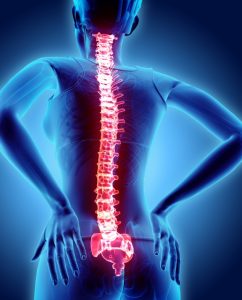
 Ankylosing spondylitis or AS, is a form of arthritis that primarily affects the back, by causing inflammation in the spine. although other joints can become involved. This can make your back, rib cage, and neck stiff and painful.
The hallmark feature of ankylosing spondylitis is the involvement of the sacroiliac (SI) joints during the progression of the disease. The SI joints are located at the base of the spine, where the spine joins the pelvis.
It often starts in people who are between 20 and 40 years old, and it is more common in men.
The symptoms of AS can vary, but usually involve:
- back pain and stiffness
- pain and swelling in other parts of the body – caused by inflammation of the joints and inflammation where a tendon joins a bone (enthesitis)
- extreme tiredness (fatigue)
The cause is not clear, although it appears to run in families. There’s thought to be a link with a particular gene known as HLA-B27.
AS is usually diagnosed by a rheumatologist. A thorough physical exam, X-rays, MRI, as well as blood work (including a test for HLA-B27) are factors in making a diagnosis.
Several treatments can slow it down and treat pain and stiffness. In most cases treatment involves a combination of:
- Physiotherapy – where physical methods, such as massage and manipulation, are used to improve comfort and spinal flexibility
- Medication to help relieve pain and reduce inflammation– such as painkillers and non-steroidal anti-inflammatory drugs (NSAIDs), disease-modifying anti-rheumatic drugs (DMARDs), and biologic medications.