 SLE, also called lupus occurs when your body’s immune system attacks your own tissues and organs (autoimmune disease). SLE most commonly affects women between the ages of 15 and 45. It’s more common in Chinese origin and most common in women of African or Caribbean origin.
The three most common symptoms of SLE are:
- joint and muscle pain
- extreme tiredness that will not go away no matter how much you rest
- rashes – often over the nose and cheeks
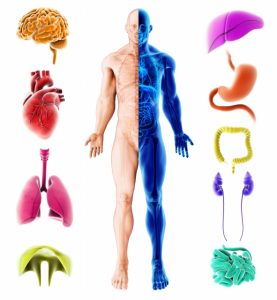
SLE can affect many different body systems, including joints, skin, kidneys, blood cells, brain, heart, and lungs.
SLE often flares up (relapses) and symptoms become worse for a few weeks, sometimes longer.
The cause of SLE in most cases, however, is unknown. Some potential triggers include:
- Exposure to the sun may bring on lupus skin lesions or trigger an internal response in susceptible people.
- Having an infection can initiate lupus or cause a relapse in some people.
- SLE can be triggered by certain types of blood pressure medications, anti-seizure medications, and antibiotics.
Diagnosing lupus is difficult because signs and symptoms vary considerably from person to person. The combination of blood and urine tests, signs and symptoms, and physical examination findings leads to the diagnosis.
There’s no cure for SLE at present. However, the condition can respond well to several drugs. The earlier treatment is started, the more effective it’s likely to be. The medications most used to control SLE include nonsteroidal anti-inflammatory drugs (NSAIDs), antimalarial drugs, corticosteroids, immunosuppressants, and biologics.