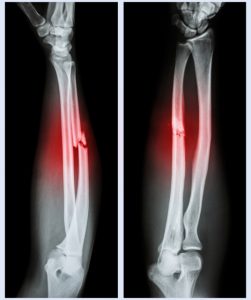
 Osteoporosis is a bone disease that weakens bones, making them fragile and more likely to break. The word osteoporosis means spongy (porous) bone.
Osteoporosis is not usually painful until a bone is broken, but broken bones in the spine are a common cause of long-term pain.
Osteoporosis affects men and women of all races. But white and Asian women, especially older women who are past menopause are at the highest risk. Many other factors can also increase the risk of developing osteoporosis, including:
- taking high-dose steroid tablets for more than 3 months
- other medical conditions, such as inflammatory bowel disease, kidney and liver disease, cancer, lupus, rheumatoid arthritis, celiac disease, thyrotoxicosis, etc.
- a family history of osteoporosis – particularly a hip fracture in a parent
- long-term use of certain medicines that can affect bone strength or hormone levels, such as anti-estrogen tablets that many women take after breast cancer
- having or having had an eating disorder such as anorexia or bulimia
- having a low body mass index (BMI)
- not exercising regularly
- heavy drinking and smoking
Bone density can be measured by a machine that uses low levels of X-rays to determine the proportion of minerals in your bones. This is called bone density scan or DEXA (dual-energy x-ray absorptiometry) scan. A blood test may be taken to measure calcium, vitamin D, and thyroid function.
Osteoporosis can be treated through medications as well as lifestyle changes. These lifestyle changes can include increasing your intake of calcium and vitamin D, as well as getting appropriate exercise. The most common drugs used to treat osteoporosis are called bisphosphonates. Bisphosphonates are used to prevent the loss of bone mass. Other medications include hormone-related therapy, monoclonal antibody medications, and bone-building medications.